When I was nine years old, I had a brief conversation with writer Kurt Vonnegut that I still remember vividly. As I wasn’t a particularly literate or precocious child, I had no knowledge of Kurts’ oeuvres or his place in the literary canon but he was the first novelist I’d ever met. Mom and I had been invited to the lavish Manhattan brownstone that Kurt and his wife, author/photographer Jill Krementz owned, in order to fete the publishing of Ms. Krementz’s latest book, How It Feels to be Adopted that featured my reflections on being adopted from South Korea, along with those of other adopted children. At the time, Ms. Krementz was well known for her beloved book series A Very Young_____, each one a lengthy photo essay about a living, breathing child with a coveted, interesting career, e.g., a ballerina, circus performer, ice skater, or horseback rider. We kids appreciated learning about the pedestrian routines of these talented young performers who did what we only dreamed. These books showed us it wasn’t all glamour. Hard work was involved!
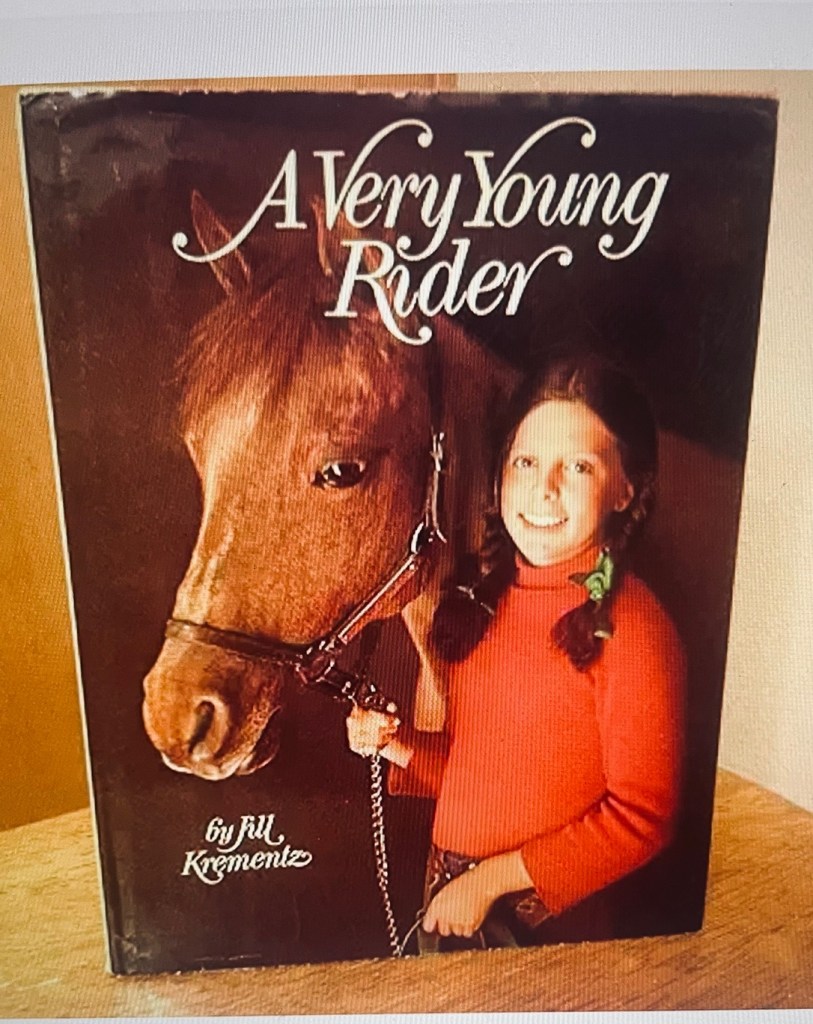
At my Manhattan private school–rife with celebrity families–kids were not easily impressed. But my friends at little Dalton (Dalton’s lower school) revered Ms. Krementz’s series and showered me with attention. Looking at a few saved copies of A Very Young books I still own, I marvel at how wordy they are but despite this, think some kids like my eight year old daughter would enjoy them).
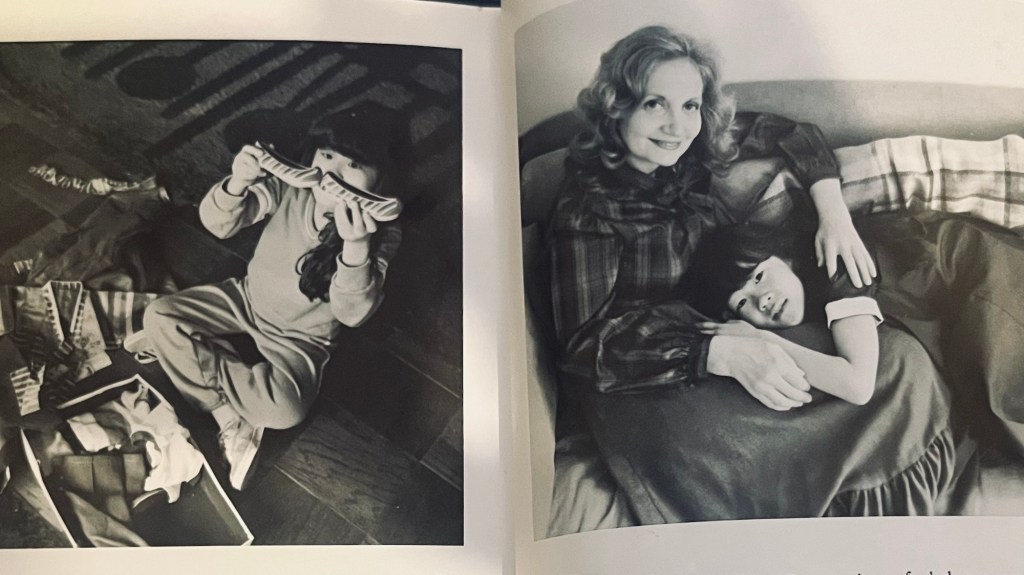
I remember the day a gaggle of friends and I mischievously bust out of our fourth grade classroom to see How It Feels to Be Adopted prominently displayed on a table at the entrance of our school library. Indeed, I was also pumped that out of the many featured families in the book, mom and I were the only ones chosen for a multi-page People magazine feature that included two large centerfold photos of my mom and I snuggling on our very 1970’s, pea-green couch. I felt like a celebrity on the pages of People!
Though I was honored to be included in this book by the same author of my beloved A Very Young series, part of me wished I was the Very Young Dancer or Very Young Ice Skater rather than the international adoptee with the thick curtain of bangs and squishy Asian nose whose face stared up from the pages of the book. For did any kid read How It Feels to be Adopted and aspire to be me? Unlikely.
By the time How It Feels to Be Adopted was published, the luster of fame had faded for me. The night of the celebratory publishing party at Kurt and Jill’s house, I vaguely remember being reluctant to forge into the night to mingle with strangers. I anticipated that grown ups would surround me at the party (as they oft did) to ask me my feelings about being adopted. But the moment I stood outside the immodestly grand brownstone door and was beckoned inside by our warm, glamorous hostess Jill Krementz–her European shaggy haircut, thin frame and tastefully sparkly black attire on display– I wanted this high life. For their midtown brownstone was pure marble majesty. I remember holding onto a wooden banister and winding myself down a long, marble staircase–guided by the smell of baked goods that were spread out out on a long dining room table beneath a row of seemingly inter-laced crystal chandeliers. I remember indelicately digging my hands into a large bowl of strawberries, my mom whispering that I had to leave some for others, the sound of the hostess toasting all of us adopted kids and families in attendance and a chorus of clinking wine glasses. (Though I know other children featured in Jill’s book were guests, I don’t remember anyone other than the hosts that night).
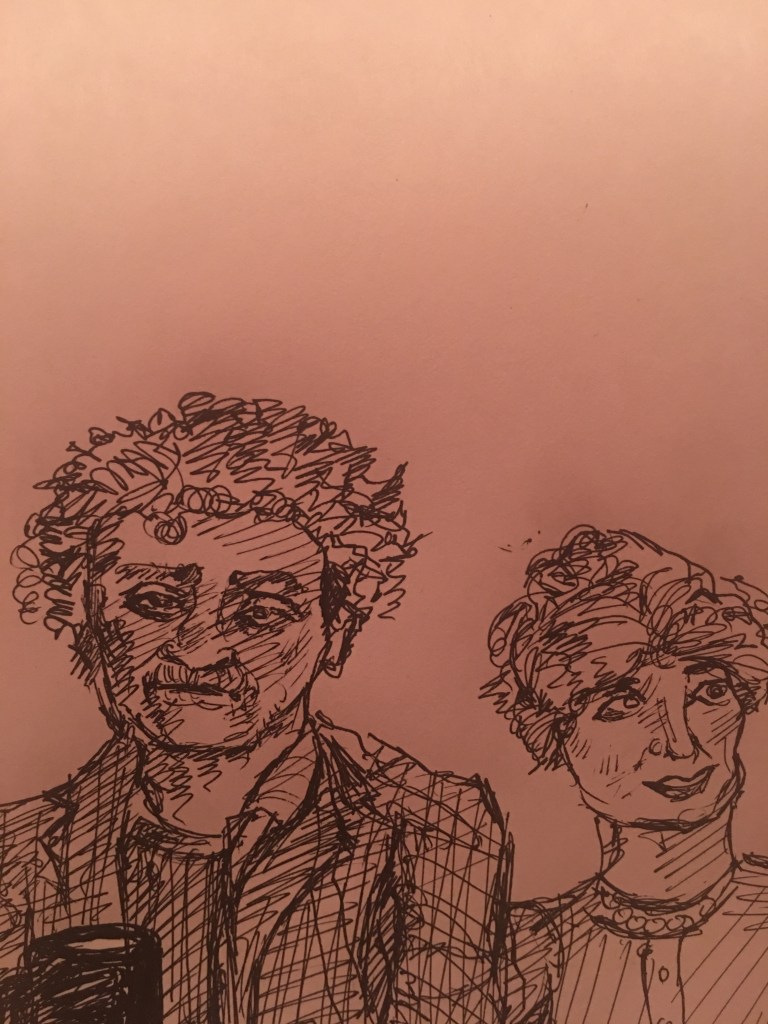
I met Kurt Vonnegut in a quiet type of drawing room one might find in a Jane Austen novel. It was just the two of us in my memory, which in retrospect seems odd for a large evening party with children in attendance. He sat by himself on a tufted, high backed chair near a large window. He had a glass of amber-hued liquor in one hand. I now wonder if I wandered into his moment of solitude or if this is just faulty memory and there was a throng of guests in the room. I am very certain he wore a brown, tweedy jacket as expected but that could be what I imagine he’d wear based on photos I’ve seen. He had a mustache that nearly concealed his entire mouth.
As a shy kid who was very clingy to my mom even at nine, I’m frankly surprised I wandered into this room without my mother in tow. Perhaps Kurt noticed my tenuous arrival and warmly bade me sit across from him in a matching chair that dwarfed my petite frame. To my delight and surprise, he seemed little concerned with who I was/my reflections on adoption; he wanted to know one thing and one thing alone: my candy preferences. As a kid whose mom doled out sweets in measure and even rejected Flintstones vitamins as too sweet, I eagerly joined him in waxing poetic about candy. Kurt and I discussed black versus red licorice and various classic confections I can’t recall now in detail. He said he favored plain M and M’s as a reward for good writing. (The child-like content of our conversation makes me think the author was intoxicated or high as our talk reminds me of a conversation I once overheard two charming stoner friends at my college have in all earnestness: “Do you like ice cream?” “Yes, I like vanilla.” “Oh, me, I like fudge stripe.”) When I chirped enthusiastically about plain old M andM’s, he got out of his chair and told me to wait a second. Minutes later (and I don’t recall where he found his loot), he returned with a large red cup–the kind found at keg parties– that was filled high to the rim with classic M and Ms. He managed not to drop one candy on the floor, which may have impressed me. Seated back on his regal chair, he neatly spilled a few candies out on a near side table and looked up at me. You must have a favorite color?
I’d never thought about this. I shrugged and looked at him, curious. Didn’t M and M’s all taste the same?
Brown is superior, he said with deep conviction.
I watched him root through the candy pile with one finger and pop the brown ones into his mouth. Then he let his eyes rest on my face, lowered his voice and spoke gravely.
Take this cup home but don’t let the grown ups rob you.
I smiled at him as I leaned forward to accept his gift with two outstretched hands. This guy was a ham! But Mom always finds and eats my Halloween candy. I can’t hide this from her.
My benefactor/conspirator looked at me thoughtfully and shook his head. Surely, there’s a spot you can stash it.
I paused to consider my bedroom. My bookcase maybe.
First place i’d look.
Maybe my dresser.
Second place i’d look.
I have this huge doll house my Uncle Paul made me. It’s dark inside and has lots of rooms you can’t see from outside.
Done! He smiled broadly. He may have touched the tip of his nose for emphasis.
I excitedly left the party clutching my red cup, thankfully (from a transport perspective) a little less overflowing than before. Mom– a little giddy when she realized who’d been my Santa— didn’t remember to confiscate or limit my candy loot as she’d have usually done. When I got home from the party late that evening, I promptly hid the red plastic cup deep within my dark brown, cavernous modern dollhouse that took up major square footage in my bedroom, and I swear, for weeks fed slowly and surreptitiously on that one cup of M and M’s like a squirrel hoarding food in a trunk for a long, barren winter.
For me, this experience with Kurt and Jill left me believing writers are playful, sophisticated, wise, funny and up for subversive adventures. (And a lot of them drink a lot). This romantic view was not born of observing these two hunched over their desks cranking out prose in spurts or editing work into the wee hours but from observing them for one evening of revelry. I may blame this evening with Kurt and Jill for my lifelong idolization of the writerly life and my confusion as to what it means to be a writer. (Turns out, you have to do more than wear tweed and surround yourself by books and beauty. You actually need to write).
Another time I felt celebrated as a child was the evening I saw an off-Broadway production of Guys and Dolls with a row of friends and they all burst out singing song lyrics”Sue me, don’t Sue me” as they looked in my direction (because my Korean middle name is Soomee). Notably, my pride in my Korean name was fleeting; my distaste for being called Soomee came to a head in the eighth grade when I boldly knocked on the Central Park West trailer of actor Robert Downey, Jr. who was filming the Pick up Artist, and requested his autograph. To my dismay, he signed my proffered scrap of paper “Soomee don’t Soomee.” Though I’d grinned through countless doormen singing out the same refrain when announcing my arrival on the intercom, Robert’s little missive was the last straw. I’d, from that point on, insist on being called Elissa, the easy, slightly bland American first name that my adoptive mother gave me. (Iron man, if only you knew your impact on me!)
I still appreciate the A Very Young series. I wish Ms. Krementz had done a similar series that detailed a broad spectrum of existing careers; how useful this information would have been when I graduated from my small liberal arts college– a mopey, deer-in-headlights twenty-something year-old who had only a vague knowledge of a handful of jobs, e.g., law, teaching, medicine, the service industry and the all encompassing business/finance. Of course my knowledge of those jobs was minimal and often based on pop culture. Why make college grads or those who want a mid-career change waste time exploring ill-fitting careers and succumbing to scandalous/ludicrous indignities like unpaid internships to learn about a specific job? Bah. The right books could suffice. Even today, as someone embedded at the same non profit legal office for decades who has often been curious what other jobs exist, I’d appreciate a series that followed a specific employee around their office/job site and honestly revealed what their work day looks like with the help of a good photographer. (For me, these books could compensate for the dearth of headhunters who focus on helping mid-career folks transition to creative or non profit jobs. There are plenty of us who don’t want to join the corporate world in our middle age years but are left straggling to figure out alternative career changes. )
I recently read that Ms. Krementz is still very much alive and kicking in her mid-eighties; so lady, giddy-up! Consider this your unasked for sunset project. (I will await your new series the way I am rooting for Robert Caro to eek out his last volume of the Lyndon Johnson biographies before the bells toll). Of course, I’d want this series to provide a very raw, real inside scoop about jobs that are off the beaten track/ones not widely discussed. Just picture this, Jill: A Very Middle-Aged Crisp Inspector, A Very Middle-Aged Netflix tagger or A Very Middle-Aged Epidemiologist.
This new book series could even feature people with mundane jobs, e.g., A Very Middle-Aged Non Profit attorney–a book crammed with the true to life joys and pitfalls of said career. (P.S. Jill, look no further for a subject for I’m not only a non profit attorney, I have worked for decades in an office with quirky, multi-talented, big-hearted coworkers that could be fun to photograph. I’ve got mostly sympathetic clients with many life hurdles that will appeal to your sentimental side and for some drama, you could zero in on the eternal, throbbing conflict between our union and management etc. Sure, you might have to really embed yourself in our office for a few weeks to find any interesting shots. (Excuse my mixed appreciation/cynicism about office committees/affinity groups of any kind, but I imagine a photo of some young affinity group members in one our office conference rooms debating for an hour whether to send an email to our executive director to request a meeting about an office policy change).
Though I don’t want to be a staid Debbie Downer looking backwards, it’s hard not to wrinkle my nose a little at the mostly sanitized, breezy content of How It Feels to Be Adopted. To begin with it strikes me as odd this lone book about a serious topic that lends itself to complex emotions and indeed some darkness, existed alongside her other titles about young dancers and circus performers. Perhaps I am missing something and Jill followed the adoption book with other similarly weighty titles like let’s say, How it Feels to be an Incarcerated Teenager or How It Feels to be Institutionalized but a quick online search suggests the book I was in was an anomaly.
I can’t be too hard on Ms. Krementz because the book was a product of the times–an era when the broadcast message regarding international adoption was how idyllic it was for white people to adopt Asian orphans, assimilate them swiftly so they’d forget their sordid pasts and of course in the process rescue them from abject poverty. In my chapter of How It Feels to be Adopted, that was written by Ms. Krementz after interviewing mom and I a few times, I only hint at some sadness when saying sometimes I wanted a father to snuggle with alongside my mom who adopted me as a single woman in the 1970’s (apparently a rarity).
Indeed, mom and I as portrayed in Jill’s photos are an uncomplicated, snuggly duo–mom smiling widely with her Farrah Faucet ash-blonde do, Ralph Lauren blouse and dewy, neutral makeup and I with my quick smile, serious dark eyes and thick mane of black hair draped over my slight shoulders. Thankfully, the ease and joy that is evident in our langorous pose above was genuine. I’ve often described the lows of my childhood on these blog pages but there was much to celebrate too. For much of my early life, I had privileges of attending a nurturing school that encouraged creativity, plentiful friends, a warm, therapist mother who had a knack for surrounding us with community and friends that made up for not having a large supportive family. For many years, we lived in a small but sunny York Avenue apartment that may have been sparely furnished but contained my charming bedroom with walls my teenage neighbors painted with tall trees and bunny rabbits and a swinging ladder that hung in the frame of my walk in closet.
Perhaps to match the cheery tone of the A Very Young series and to appeal to her young readers, Jill wasn’t interested in delving deeply into the fears and insecurities that come with international adoption. (Though, It may not have been her fault. It’s very possible mom and I only presented the sunny overview). However, at least in my view, this breezy tone makes her book feel slight and a bit irrelevant to truly understanding How It Feels to be Adopted.
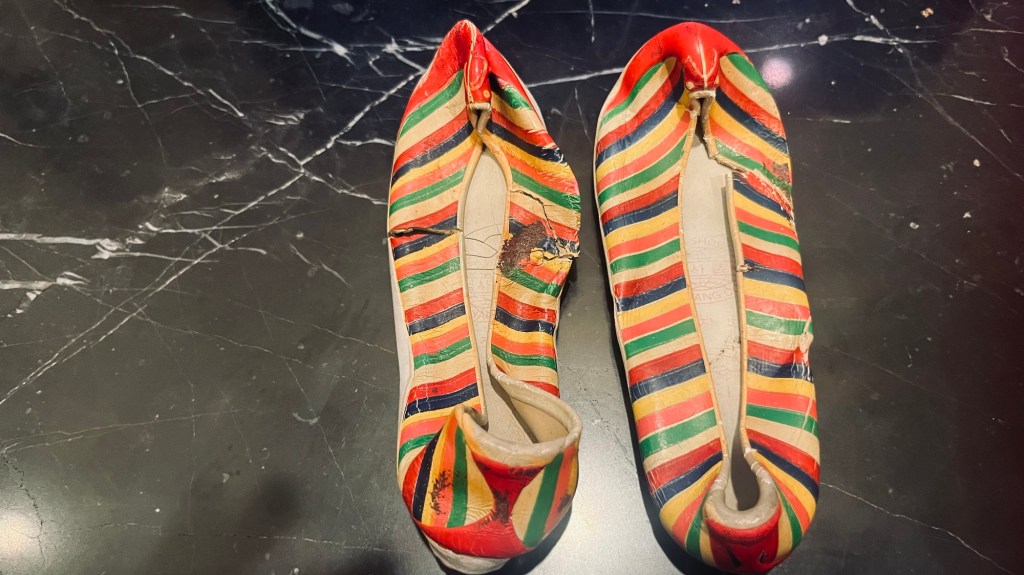
This may be too bold but I’d love to ask Ms. Krementz to write an updated book, which means re-interviewing all the families involved to get at more uncomfortable realities we adoptees confront all our lives. Then I’d share how I used to hide the pretty, satin Hanbok-clad Korean dolls I was given as a gift by my adoptive grandparents on the top shelf of my doorless bedroom closet and play a game with my friends where we dared each other to run past the dolls without yelping. I always lost this contest. (In my chapter of How it Feels to be Adopted, Mr. Krementz only wrote that I was given pretty Korean dolls).
If I was granted a re-do, I’d tell Jill how as a young child I quaked at the sight of Asians! Once when eating in a restaurant in Manhattan’s Chinatown with mom as a five year old, I panicked at the unfamiliar sight of so many people who looked like me and told mom I was afraid they would take me away from her. (Jill only wrote that I once went to a Korean restaurant and enjoyed it so either I didn’t share this tale with her or she edited it out of the story).
I’d relish the chance in this updated book to discuss the subtle but very real mourning for my unknown birth family that has lasted a lifetime and all the oddly still moments in my life, e.g., when I’d find myself as a child staring out my camp bus window at an old, hunched over Asian woman walking in the rain and sadly wonder if she could be a relative of mine. I’d tell Jill about the anxieties being adopted caused me when I gave birth to my children; I worried my mysterious genes would come to a head one day and show up in my offspring. Perhaps not an original thought, I’d confess to Jill that being adopted has been a factor in my eternal struggle to take myself seriously and to see my own worth. Somehow the knowledge that I was left at a police station basket as a baby with nothing but a scrawled birth date pinned to my bosom, reverberates and stays with me for life. Go figure!
But I’d conclude my updated interview with Jill on a positive note. At fifty, I place a lot of emphasis on whether someone is interesting (and being kind means a lot for me too). I’ve got less time for boring people who simply strive to be like everyone else as I age. That’s my snobbery. That said, I can’t help but notice that for many of us adoptees, our reaction to our tumultuous, mysterious beginnings is to be imaginative and creative. We can’t help but consider what our lives would have been if we’d not been adopted. We can’t help trying to fill the gaps in our knowledge with Images and tales of our birth family–making us natural story tellers and artists. (Indeed, a quick Google search reveals countless artists, chefs, writers and other creators who are adoptees). Not to toot my own horn, but many of us are funny and self-deprecating, which may come from our early loss/feeling we’ve been abandoned. Come to think of It, I may have been wrong when I wrote earlier in this piece that no one would aspire to being an adoptee. In fact, we SLAAYYY. If someone more skilled at embroidery than I am, is so inclined, I’d proudly don an adoption patch or maybe a little button/pin because that’s easier. Something like, “Kiss me, I’m adopted.”
(P.S. Readers, look out for some upcoming q and a’s with some Asian-American adoptees).
Love, CrazyMiddleClassAsian

 Crazy middle class asian